Complex Deliverables
Analysis, design documentation, prototype development, ten modules, pilot testing, revisions, source files, and maintenance documentation had to remain aligned.
Instructional Systems · Project Management
Planning a complex eLearning initiative from contract requirements through final delivery.
This case study demonstrates how instructional design, project management, quality assurance, risk control, and stakeholder communication were integrated into a comprehensive plan for a 20-hour self-paced learning program.
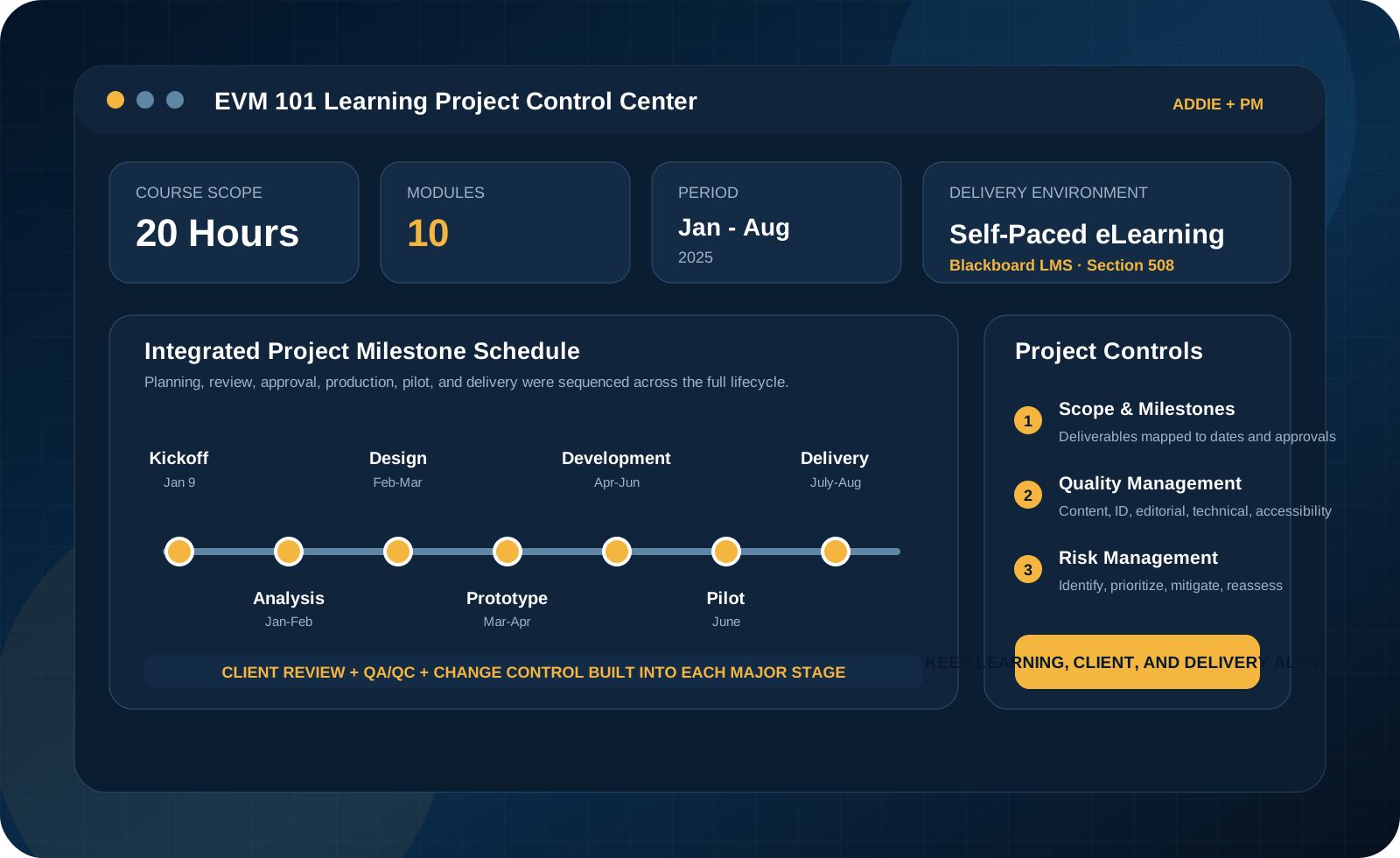
A team-developed Project Management Plan for EVM 101, a fictional enterprise eLearning initiative for mid-level project management personnel.
The Challenge
The project required much more than designing course content. Success depended on coordinating people, approvals, technology, quality reviews, accessibility, scope, and client expectations across an eight-month development lifecycle.
Analysis, design documentation, prototype development, ten modules, pilot testing, revisions, source files, and maintenance documentation had to remain aligned.
Client leaders, project management, instructional designers, subject-matter experts, developers, and quality reviewers required clear ownership and communication.
Scope, schedule, cost, staffing, technology, and quality risks needed to be anticipated before they disrupted delivery.
Management Framework
The Project Management Plan translated contract requirements into a practical system for organizing work, maintaining quality, managing risk, and preserving alignment.
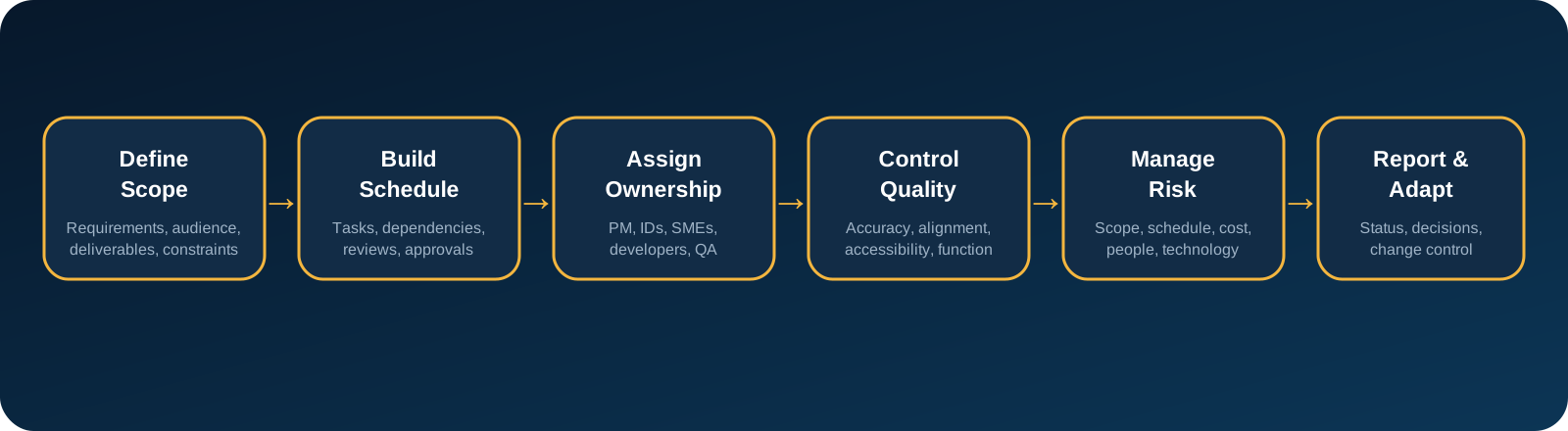
Lifecycle Planning
Each instructional phase was converted into specific tasks, deliverables, client review periods, approvals, and dependencies.
Kickoff agenda, meeting, minutes, requirements clarification, and project alignment.
Learner, performance, content, learning hierarchy, and instructional strategy analysis.
Course design documentation covering objectives, assessment, media, accessibility, GUI, and delivery requirements.
A functional lesson prototype validated branding, interactivity, LMS compatibility, and accessibility before full production.
Ten modules and associated storyboards were produced through staged review and quality control.
Learner feedback, corrections, final course delivery, source-file inventory, and maintenance documentation completed the lifecycle.
Quality Management
Reviews were planned at each major deliverable stage rather than treated as a final check. The quality process covered content accuracy, instructional alignment, editorial consistency, technical functionality, accessibility, and LMS compatibility.
Version numbers, dates, and QA status were incorporated into file-management conventions so that only approved materials would reach the client.
Risk Management
The planning process considered how personnel changes, incorrect file submission, technology updates, and client-driven scope changes could affect schedule, budget, quality, and trust.
Knowledge capture, interim ownership, schedule reassessment, transparent client communication, and staffing contingency planning.
Version control, formal QA gates, secondary review, immediate accountability, and corrective process updates.
Impact analysis across scope, budget, quality, schedule, content, media, and assessment before revision work begins.
Formal change control, instructional impact review, resource adjustment, renegotiated timeline, and documentation.
Stakeholder Communication
The communication plan created predictable channels for status reporting, issue escalation, action tracking, and client approval.
Thirty-minute status meetings with documented discussions, decisions, and action items.
Progress by task area, completed work, submitted deliverables, milestone updates, and emerging issues.
Accessible meeting notes, schedules, risk logs, deliverable status, and approved versions.
Medium- and high-priority issues elevated quickly to the project manager and client.
Design Artifacts
The case study is supported by the complete Project Management Plan and a companion analysis of realistic project risks and corrective actions.
Scope, roles, communication, milestones, quality management, risk management, and technical approach.
Open Project PlanResponses to personnel, quality, technology, and scope-change scenarios affecting instructional projects.
Open Risk AnalysisProfessional Reflection
This project expanded my understanding of the instructional designer’s role. Strong learning objectives, activities, and assessments matter, but they cannot produce organizational value unless the project also manages time, people, quality, technology, communication, and change.
The most important lesson was that project management does not sit outside instructional design. It creates the conditions that allow instructional quality to survive from analysis through implementation.