Conflicting Evidence
High achievement across core standards existed alongside significant later-unit inconsistencies.
Learning Analytics · Performance Analysis
Transforming learner performance data into actionable instructional recommendations.
This case study demonstrates how assessment evidence, attendance patterns, retention, work habits, and professional observation were synthesized into a fair, learner-centered readiness decision.
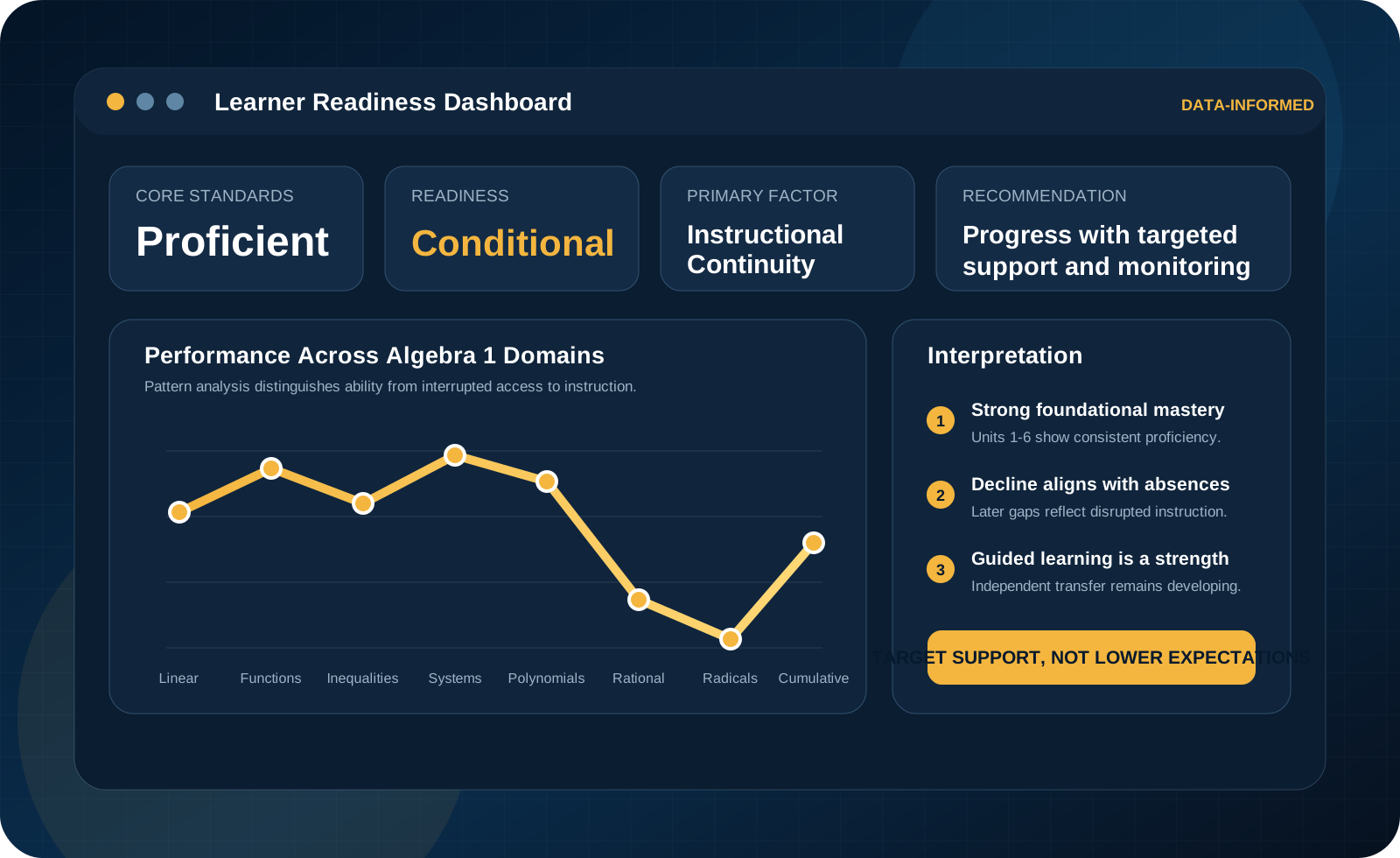
A real-world learner readiness analysis designed to separate demonstrated ability from the effects of interrupted instruction.
The Challenge
The learner showed strong mastery across foundational Algebra 1 domains, followed by a sharp decline during later units. The central challenge was determining whether the pattern reflected limited readiness, interrupted access to instruction, or both.
High achievement across core standards existed alongside significant later-unit inconsistencies.
Absences occurred during the same instructional period in which performance declined.
Short-term mastery, cumulative retention, independent transfer, and learning behaviors required separate interpretation.
My Process
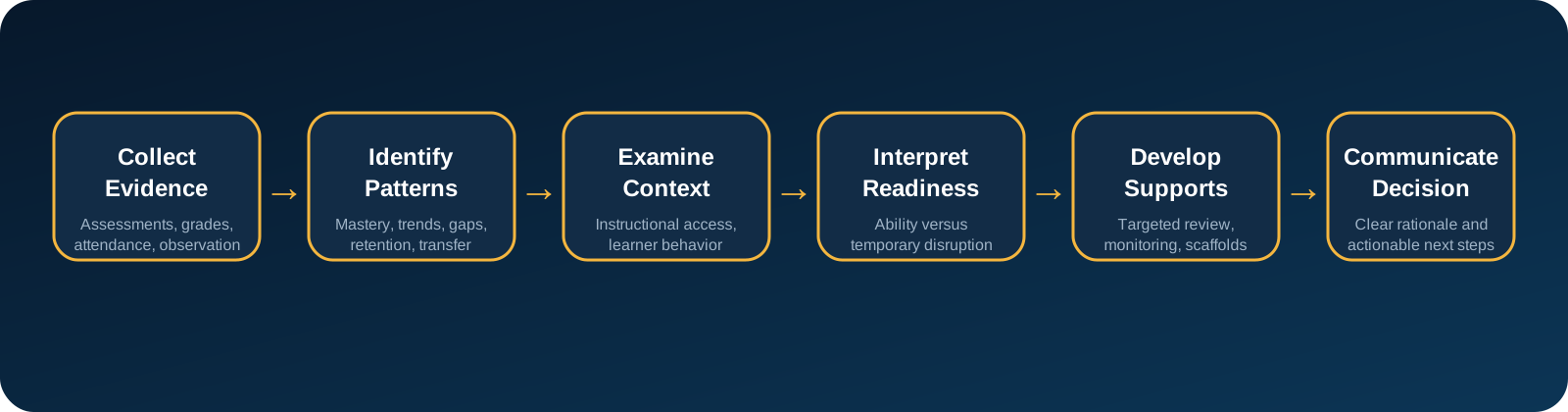
The analysis followed a deliberate sequence that combined quantitative evidence with learner context and professional judgment.
Evidence Synthesis
No single score determined readiness. Each source contributed a different kind of evidence.
Strong performance in linear equations, functions, inequalities, systems, and polynomials established a solid foundation.
The timing and location of decline revealed a concentrated pattern rather than broad underperformance.
Instructional gaps corresponded with later-unit difficulty, clarifying the probable source of inconsistency.
Cumulative evidence suggested moderate retention and developing independent application.
Effort, completion, responsiveness to guidance, and independence informed the support recommendation.
The Decision
The evidence supported advancement because the learner demonstrated strong proficiency in foundational standards and a clear capacity to succeed under consistent instructional conditions.
The recommendation did not ignore the later performance decline. Instead, it translated the decline into a focused support plan rather than treating it as proof of limited ability.
Design Artifacts
The final deliverable was structured to make the analysis understandable, defensible, and actionable while protecting student privacy in the public portfolio.
A concise decision statement with the evidence and conditions supporting progression.
Domain-level evidence distinguishing established proficiency from concentrated gaps.
An integrated interpretation of achievement, retention, attendance, and learner behavior.
Specific instructional actions tied directly to the evidence rather than generic remediation.
Professional Reflection
This project reinforced that numbers rarely tell the complete story. Assessment scores identified the pattern, but attendance, learner behavior, and instructional context explained it. Combining these sources allowed me to make a recommendation that remained rigorous while also respecting the learner’s actual experience.
The strongest outcome was not the placement decision itself. It was the translation of evidence into a clear plan for what should happen next.